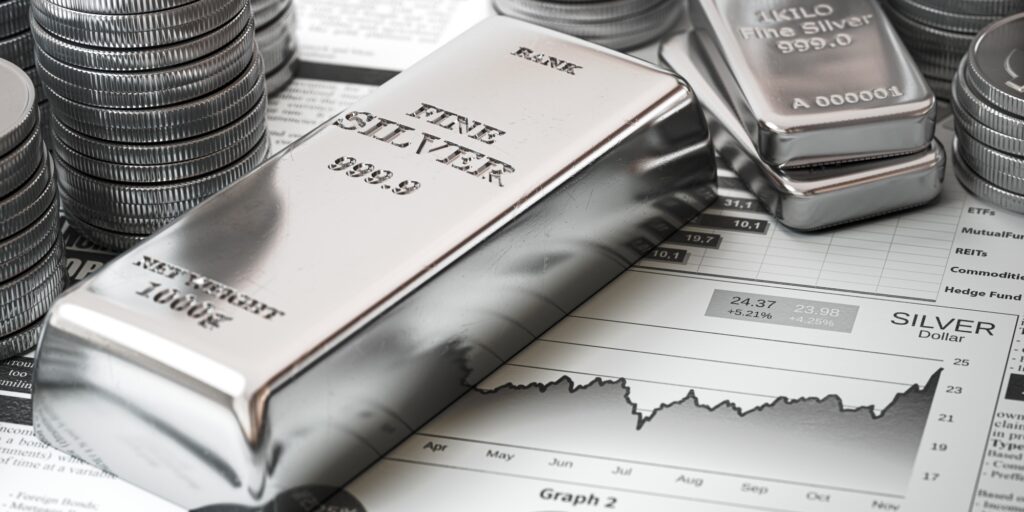
The global silver market is buzzing with excitement as silver prices reach their highest levels in years. Whether driven by industrial demand, inflation hedging, or the precious metal’s long-standing allure, savvy investors are asking: How can I capitalize on record-high silver prices through mining investments?
If you are already familiar with gold investing, silver offers unique opportunities (and challenges) that could diversify and strengthen your portfolio. In this comprehensive guide, we’ll explore the best ways to gain exposure to silver through global mining investments, analyze the pros and cons of each strategy, and provide key tips for maximizing your returns.
Why Are Silver Prices Hitting Record Highs?
Before diving into investment options, it’s crucial to understand the underlying factors pushing silver prices higher:
- Industrial Demand: Silver’s use in electronics, solar panels, electric vehicles, and medical devices means global technological shifts directly impact demand.
- Precious Metals Bull Run: Inflation fears and geopolitical uncertainty drive investors toward tangible assets like silver, alongside gold.
- Limited Supply: Most silver is produced as a by-product of mining other metals, so supply can’t quickly respond to price increases.
This unique blend of industrial and investment appeal makes silver an attractive target for strategic investors, especially as prices soar.
Major Ways to Capitalize on Record-High Silver Prices Through Mining Investments
There are several pathways to gain exposure to silver and benefit from record price levels. Let’s break down each option’s mechanisms, advantages, and drawbacks.
1. Direct Ownership of Silver Mining Stocks
Buying shares in companies that mine silver is the most direct and traditional way to play high silver prices. As silver prices rise, so do the profits – and typically the stock prices – of these miners.
Major Silver Producers:
- Companies like Fresnillo, Pan American Silver, and Wheaton Precious Metals operate large-scale silver mines globally.
Mid, Junior & Exploratory Mining Companies:
- Firms like First Majestic Silver and Endeavour Silver engage in exploration and development, often with greater volatility and upside potential.
Pros:
- High leverage to silver price movements.
- Opportunity for capital growth and, in some cases, dividend income.
- Access to a diversified set of projects in different geographical regions.
Cons:
- Company-specific risks, such as operational issues and management decisions.
- Exposure to local regulatory changes and geopolitical risk in mining jurisdictions.
- Share prices can be more volatile than the price of silver itself.
2. Investing in Silver Mining ETFs
If picking individual stocks feels overwhelming, silver mining exchange-traded funds (ETFs) offer exposure to a basket of mining companies worldwide. Popular examples include the Global X Silver Miners ETF (SIL) and iShares MSCI Global Silver and Metals Miners ETF (SLVP).
Pros:
- Broad diversification lowers company-specific risk.
- Simple, liquid, and accessible on major stock exchanges.
- Some ETFs offer exposure to both major and junior miners for balanced risk/reward.
Cons:
- No control over individual holdings; can’t cherry-pick winners.
- ETF fees reduce net returns over time.
- Still exposed to overall market and sector risk.
3. Participating in Royalty and Streaming Companies
Royalty and streaming companies, such as Wheaton Precious Metals and Franco-Nevada, occupy a unique niche. Instead of directly operating mines, they provide financing to miners in exchange for rights to purchase a portion of silver production at a set price.
Pros:
- Lower operational risk compared to traditional miners.
- Potential for steady, portfolio-wide income.
- Exposure to multiple underlying mining projects globally.
Cons:
- Gains capped by contract terms; less upside in runaway bull markets.
- Complex business models may be harder to analyze for new investors.
- Heavily influenced by business development and deal flow.
4. Private and Pre-IPO Mining Ventures
For experienced or accredited investors looking to maximize leverage and risk/reward, private placements or investments in pre-IPO mining companies represent a high-stakes avenue to capitalize on record-high silver prices.
Pros:
- Potentially outsized returns if the mine is developed or the company goes public during a bull market.
- Opportunities to negotiate investment terms directly.
Cons:
- Extremely illiquid; your capital may be tied up for years.
- Higher risk of company failure or project delays.
- Suitable mainly for sophisticated investors with deep industry knowledge.
5. Geographic Diversification for Strategic Advantage
Global mining investments allow you to diversify beyond national borders, reducing risk exposure related to a single country. The biggest silver-producing nations include:
- Mexico: The world’s leading silver producer, home to many large, established mines.
- Peru and Chile: Major sources in South America, offering both traditional and emerging opportunities.
- Australia and China: Booming mining sectors with substantial capital inflows and evolving regulatory landscapes.
When investing in international mining companies or projects, be vigilant about political stability, legal frameworks, and currency risks; all of which can influence returns.
Key Tips for Maximizing Your Returns on Silver’s Bull Run
To maximize the advantages of investing in silver mining, apply these proven strategies:
- Diversify Across Companies and Regions: Don’t put all your capital in one mining company or country.
- Monitor Silver Market Fundamentals: Stay informed about industrial demand, new technological uses, and supply constraints.
- Evaluate Management and Balance Sheets: Prioritize companies with strong track records, low debt, and responsible environmental policies.
- Consider Cyclical Timing: Enter during consolidation phases to maximize upside and lower downside risk.
- Plan Exit Strategies: Set price targets and be willing to trim positions as price objectives are met or conditions change.
Comparing Silver and Gold: A Brief Note for Experienced Investors
If you already invest in gold, you’ll find that silver mining investments offer more volatility and higher leverage, both to the upside and downside. While gold is seen primarily as a monetary asset, silver’s dual role (industrial and precious) makes its price behavior more complex and often rewarding in a strong bull market. Including silver can provide more growth potential but requires careful research and disciplined risk management.
Roadmap to Profit from Record-High Silver Prices with Mining Investments
Savvy investors realize that capitalizing on record-high silver prices through strategic global mining investments is not as simple as buying any silver stock or ETF. Wise allocation across producers, juniors, royalty and streaming companies, and geographically diverse projects balances risk and reward. By understanding the specific pros and cons of each approach, diligently monitoring market fundamentals, and maintaining clear investment parameters, you can maximize your exposure to silver’s upward potential, especially as the market continues to surge.
As always, consult with financial professionals and perform thorough due diligence before making any investment decisions. The silver bull market will favor those who act strategically, diversify intelligently, and remain adaptable in this dynamic global mining landscape.
Top visual: Pixabay