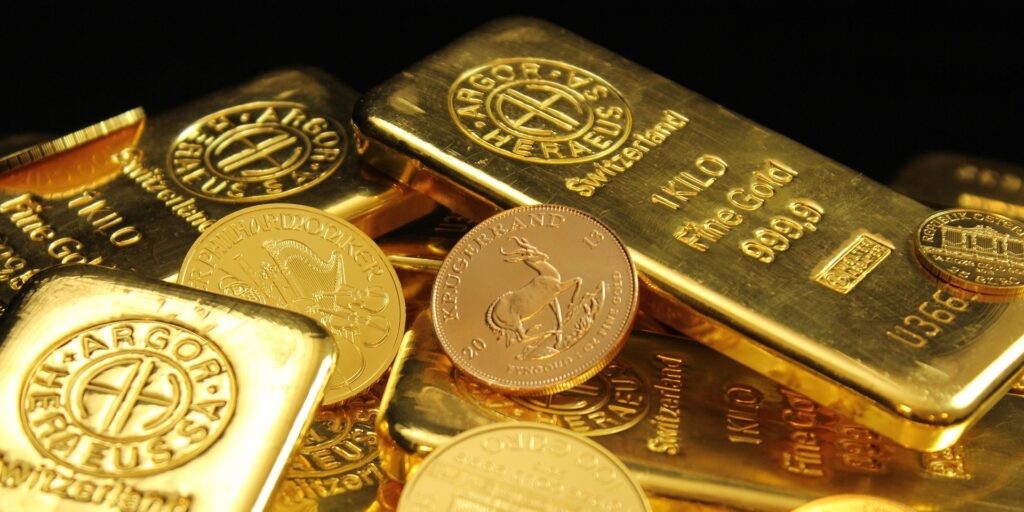
The commodities market is on the brink of a significant transformation characterized by a resurgence in demand and a renewed interest from institutional investors, according to Tavi Costa. As global economic pressures mount and technological advancements drive new industries, key commodities are positioned for a boom that could reshape the sector for years to come.
The backdrop for this anticipated commodities supercycle includes a confluence of factors such as the rise of artificial intelligence, the push for onshoring manufacturing, and the increasing reliance on electric vehicles. These structural shifts are generating unprecedented demand for critical metals and energy resources, which have been largely neglected for decades. As a result, the mining industry is beginning to attract attention from institutional investors, who are recognizing the significant mismatch between supply and demand.
Signs of an Emerging Supercycle
Historically, commodities have experienced cycles of boom and bust, influenced by various economic and geopolitical factors. Currently, the market is showing early signs of a supercycle, with an increasing focus on metals like gold, silver, copper, zinc, and nickel. These metals are not only essential for traditional industries but are also crucial for emerging technologies and sustainable energy solutions.
Despite recent price corrections in certain commodities, many experts believe these fluctuations are temporary. The long-term fundamentals of the commodities market remain strong, driven by ongoing supply shortages and increasing demand. For example, the number of major gold discoveries has plummeted in recent years, indicating a potential crisis in supply that could lead to higher prices in the future.
Institutional capital, which has been slow to enter the commodities space, is now starting to flow back into the sector. Historically, mining stocks represented a significant portion of global equities, but their market share has dwindled to just 1%. This decline underscores a long-term underinvestment that is now beginning to attract interest as investors seek to diversify their portfolios amidst economic uncertainty.
Investment Opportunities and Risks
While the prospects for commodities appear bright, potential investors must navigate a complex landscape of risks and opportunities. The volatility associated with the commodities market is well-documented, and recent sharp price corrections in precious metals like gold and silver have raised concerns among some investors. However, many analysts argue that these corrections are not indicative of a broader market collapse but rather a necessary adjustment period.
Investors are encouraged to conduct thorough research and exercise caution when considering investments in commodities. Opportunities exist in various sectors, particularly in mining and energy. For instance, companies involved in the production of critical minerals are well-positioned to benefit from the ongoing demand surge. Firms that have established strong management teams and solid capital structures are likely to emerge as leaders in this evolving market.
As market dynamics shift, certain regions, particularly Latin America, are becoming increasingly attractive for investment. Political and economic reforms in countries such as Brazil and Argentina are fostering a more favorable business environment, which could lead to significant growth in the commodities sector. Investors with a long-term outlook may find substantial opportunities in these markets as they align with global trends toward sustainability and infrastructure development.
The Role of Technology and Infrastructure
The demand for commodities is being propelled by advancements in technology, particularly in sectors like artificial intelligence and renewable energy. As businesses and governments invest in infrastructure to support these technologies, the need for essential materials will continue to grow. This shift is expected to create a substantial increase in demand for base metals like copper and nickel, which are critical for electric vehicle production and other technological applications.
The global infrastructure needs, estimated at over $106 trillion by 2040, highlight the urgent requirement for materials that can support this growth. As governments and private sectors ramp up spending on infrastructure projects, the commodities market is poised to benefit significantly. This trend aligns with the broader movement toward sustainable development, where clean energy solutions require a robust supply of various metals and materials.
Long-term Strategies and Market Outlook
Investors looking to capitalize on the anticipated commodities boom should consider adopting long-term strategies that prioritize research and informed decision-making. While short-term fluctuations may present challenges, the underlying trends in supply and demand suggest a favorable outlook for commodities over the next decade.
As institutional investors increasingly recognize the potential of the commodities market, the landscape is likely to evolve. The transition from a neglectful phase to one of renewed interest will require a shift in capital allocation, with more funds directed toward mining and energy sectors. This realignment could lead to significant appreciation in the value of commodities, particularly as global economic conditions continue to fluctuate.
In conclusion, the commodities market is entering a pivotal moment, with structural changes driven by technology and evolving economic conditions creating new opportunities for investors. As the demand for essential materials continues to rise, those who are well-informed and strategically positioned may reap significant rewards in the years to come.
Watch “The Next Great Commodities Boom Is Just Getting Started. Here’s How To Play It” with Tavi Costa on Adam Taggart’s Thoughtful Money
Top visual: Pixabay