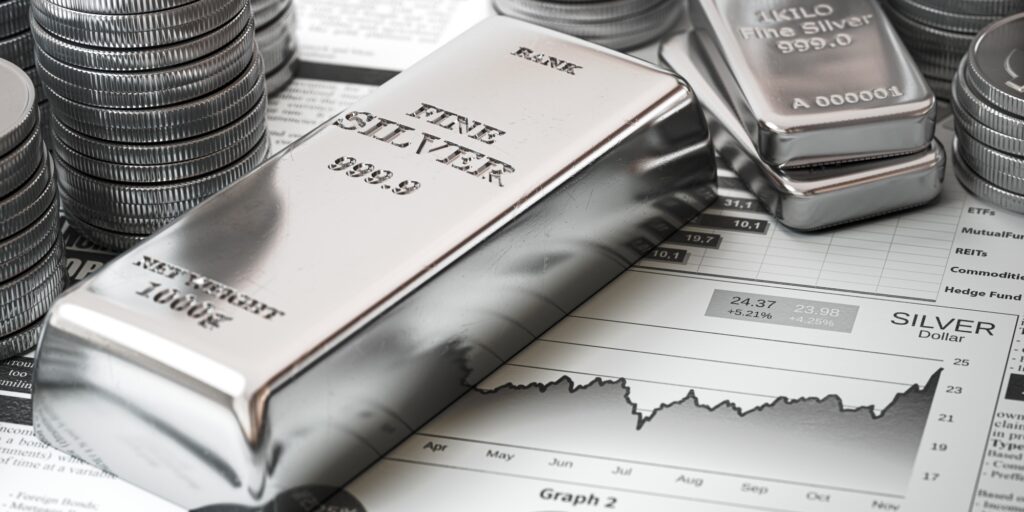
Today’s global financial landscape is marked by rising inflation, uncertain economic outlooks, and heightened market volatility. Investors seeking to protect their wealth often turn to precious metals such as gold and silver.
While these assets are traditionally considered safe havens, their prices can also experience significant fluctuations. To navigate the high prices and market volatility with strategic gold and silver investments, understanding your options and the pros and cons associated with each is crucial.
Why Gold and Silver Remain Go-To Investments During Uncertainty
Before delving into specific strategies, it’s important to understand why gold and silver investments are valued during turbulent times. Both metals:
- Serve as hedges against inflation when paper currencies lose purchasing power.
- Offer portfolio diversification, reducing overall investment risk.
- Historically retain their value during periods of geopolitical turmoil and stock market downturns.
However, gold and silver prices themselves can be volatile, particularly when demand spikes or global economic policies shift abruptly. This makes a thoughtful, strategic approach to investing in these metals essential, especially during periods of high prices.
Popular Ways to Invest in Gold and Silver
There’s more than one path to adding gold and silver to your portfolio. Here’s a breakdown of the most common methods, plus their standout benefits and possible drawbacks.
1. Physical Coins and Bars
Buying physical gold and silver such as bullion coins or bars is a classic method chosen by investors seeking tangible security.
Pros:
- Direct ownership; no counterparty risk.
- Can be easily stored privately or in trusted vaults.
- Globally recognized and easy to liquidate in most markets.
- Can be purchased for precious metals IRAs.
Cons:
- Storage and insurance costs can eat into your returns.
- Physical assets may be more difficult to sell quickly at spot prices during market fluctuations.
- Potential security risks if not stored correctly.
For those intent on navigating the high prices and market volatility with strategic gold and silver investments, physical ownership offers psychological reassurance but demands careful handling and cost planning.
2. Exchange-Traded Funds (ETFs) and ETCs
Gold and silver ETFs/ETCs such as the the iShares Gold Trust (IAU) provide exposure to precious metal prices without the need to store physical items. Investors buy and sell shares on the stock exchange, tracking the metals’ price movements.
Pros:
- Highly liquid—easy to enter and exit positions.
- No concerns over storage, security, or transport.
- Available through most brokerage accounts alongside other investments.
Cons:
- Some funds may not back shares fully with physical metal (research is essential).
- Annual management fees can erode returns over time.
- Not ideal for those seeking total independence from the financial system.
ETFs and ETCs are well-suited for investors prioritizing flexibility and transactional ease while participating in the price action of gold and silver.
3. Mining Stocks and Mutual Funds
Investing in gold and silver mining companies such as Agnico Eagle or Newmont, or funds holding a basket of such equities such as GDX or GDXJ, offers exposure to the mining industry’s profitability rather than the metals’ spot prices directly.
Pros:
- Potential for amplified gains if mining companies outperform due to rising metal prices or operational successes.
- Dividend income from established producers is possible.
- Opportunity to diversify within the resource sector and across different geographies.
Cons:
- Shares often exhibit higher volatility than the underlying metals.
- Susceptible to risks like management performance, geopolitical factors, and operational disruptions.
- Stock market downturns can impact share prices even if metal prices stay high.
This method suits those comfortable with both commodity and equity risks and a willingness to monitor company fundamentals as well as macro trends.
4. Futures and Options Contracts
For sophisticated traders, futures and options let you speculate on price changes or hedge existing exposures. These derivative products can be powerful tools but come with additional complexity and risk.
Pros:
- Leverage enables significant exposure with limited upfront capital.
- Hedging tools to protect physical holdings from price swings.
- Potential for profits during both rising and falling markets.
Cons:
- High risk; losses can exceed initial investment if prices move against you.
- Requires active management and a keen understanding of derivatives markets.
- Not recommended for long-term, passive investors.
If you wish to navigate the high prices and market volatility with strategic gold and silver investments by trading price swings, thorough research and strong risk discipline are non-negotiable.
Strategic Tips for Gold and Silver Investments Amid High Prices and Volatility
With prices for gold and silver hitting notable highs at times, how you enter the market is almost as important as what you buy. Here are strategic principles for making investments with confidence:
Adopt a Dollar-Cost Averaging Approach
Instead of trying to perfectly time tops and bottoms, consider regular, periodic investments. Spreading your buying across several months or quarters helps reduce the emotional impact of volatility and average out entry price, lessening the chance of buying in exclusively at temporary peaks.
Diversify Within the Metal Sector
Rather than putting all your funds into either gold or silver, blend exposures. Gold is typically less volatile and better at preserving value during crises, while silver, being more tied to industrial use, offers higher upside, but also downside, during economic recoveries and contractions.
Monitor Geopolitical and Economic Trends
Precious metal prices react strongly to macroeconomic data such as inflation rates, interest rate changes, and major geopolitical tensions. Stay informed and consider defensive allocations during periods of uncertainty, but don’t chase extreme price moves triggered by short-lived news events.
Balance Physical and Paper Ownership
If possible, allocate part of your gold and silver investments to physical metal (for long-term wealth insurance) and another part to ETFs or mining stocks (for liquidity and capital growth). Each format complements the other and can help manage risk through different market conditions.
Set Clear Investment Goals and Exit Strategies
Are you aiming for capital preservation, portfolio diversification, or speculation on price moves? Knowing your objectives allows you to tailor your allocations and determine when and how to take profits or cut losses.
Common Mistakes to Avoid in Gold and Silver Investing
Even seasoned investors fall into classic traps when dealing with precious metals. To truly navigate the high prices and market volatility with strategic gold and silver investments, be wary of the following missteps:
- Chasing Hype: Avoid buying aggressively during media-fueled frenzies when metals spike suddenly.
- Neglecting Costs: Overlooking storage fees, insurance, or high product premiums can eat into long-term returns.
- Lack of Diversification: Concentrating all funds in a single metal, security, or company increases risk.
- Ignoring Liquidity: Some specialty coins or small mining stocks may be hard to sell quickly at fair prices when needed.
Conclusion: Building Resilience Through Strategic Gold and Silver Investments
The decision to navigate the high prices and market volatility with strategic gold and silver investments does not guarantee instant gains. However, it does empower you to preserve and grow wealth across a variety of market scenarios.
Whether your approach favors tangible bullion, precious metals IRA’s, flexible ETFs, or well-chosen mining shares, the key is to blend methods that align with your risk tolerance, time horizon, and financial goals.
By taking the time to understand each investment vehicle’s unique strengths, limitations, and market behaviors, you can position yourself to weather periods of price surges and sharp market turns more effectively.
Gold and silver have endured as stores of value for centuries and with the right strategy, gold and silver investments can add resilience and peace of mind to your modern investment portfolio.
Last updated: December 20, 2025.
Top visual: Pixabay